


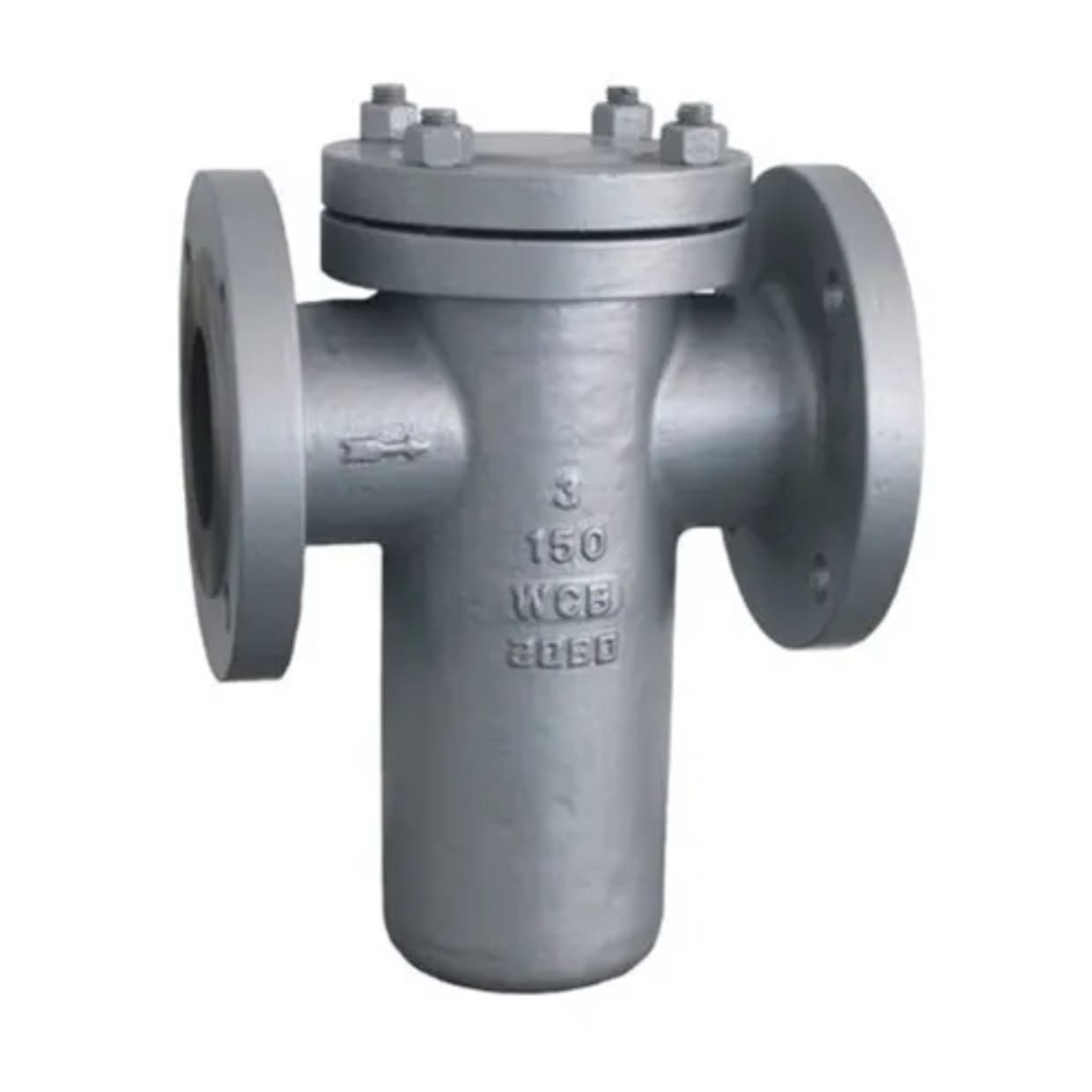

strainer valve is a type of valve used to filter out unwanted solid particles from liquids or gases in pipelines. It protects downstream equipment such as pumps, valves, heat exchangers, and compressors.
Key Features:
1. Design:
Contains a mesh or perforated screen that traps debris.
Can be Y-type or basket-type:
Y-Strainer: Compact, ideal for inline installation.
Basket Strainer: Larger, suitable for high debris load.
Body materials: Cast iron (CI), carbon steel (CS), stainless steel (SS).
2. Operation:
Flow passes through the screen.
Solids are collected in the strainer basket or mesh.
Can be manual cleaning or blow-off connections for automatic cleaning.
3. Connection Types:
Flanged, threaded, or welded ends.
4. Pressure & Temperature:
Typically PN10–PN40, depending on material.
Temperature range depends on body and screen material.
5. Sizes:
Available in small to large diameters, from 1/2" to 1000 mm or more.
---
Uses in Industry
1. Water & Wastewater Treatment:
Removes sand, silt, and debris from pipelines.
Protects pumps, valves, and meters.
2. Chemical & Petrochemical Industry:
Filters chemical fluids, oils, and solvents.
Prevents clogging of sensitive equipment.
3. Oil & Gas Industry:
Protects compressors, heat exchangers, and turbines from solid contaminants.
4. HVAC / Cooling Systems:
Prevents clogging in cooling water circuits, boilers, and heat exchangers.
5. Food & Beverage Industry:
Ensures clean pipelines for liquids like juices, syrups, and milk.
6. Industrial Process Piping:
Protects spray nozzles, pumps, and meters in general process industries.
---
✅ Advantages:
Prevents damage to downstream equipment.
Easy to clean and maintain.
Reduces downtime and maintenance costs.
Can handle liquids, gases, and steam depending on design.
